Upcoming Click It or Ticket May 2024 Mobilization
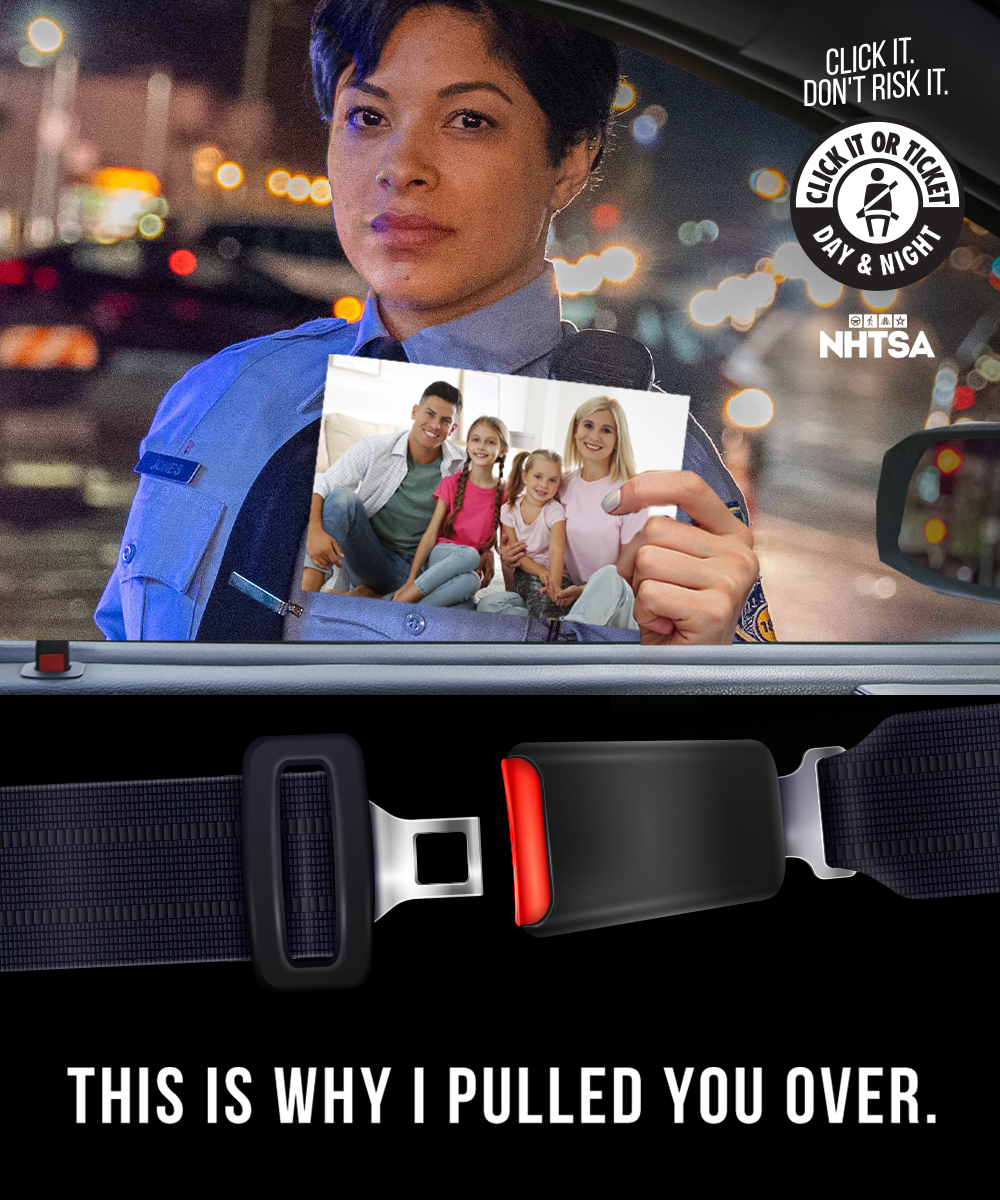
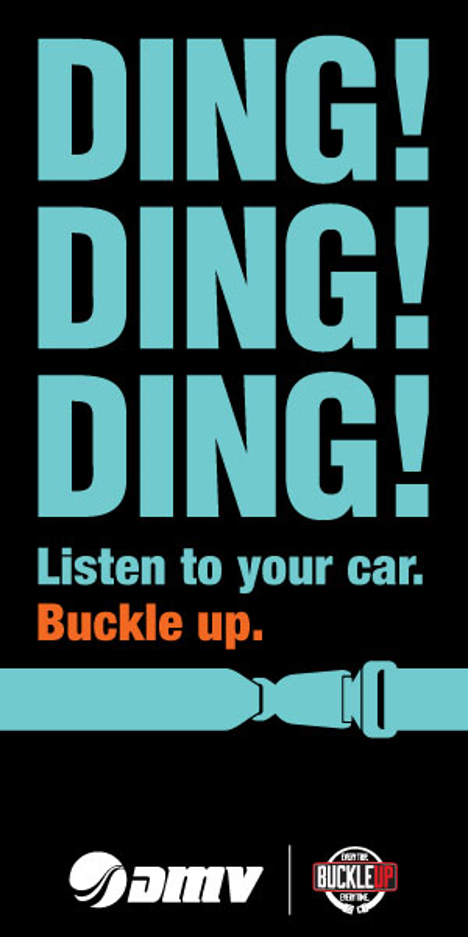
As the summer begins, so does the National Click It or Ticket (CIOT) campaign. This campaign educates our communities on the importance of wearing your seat belt, no matter the distance of a trip.
NATIONAL MOBILIZATION TOOLKIT
May: Memorial Day high-visibility enforcement campaign.
- Enforcement: May 20 - June 2, 2024
- Paid Media: May 13 - June 2, 2024
- Earned Media: May 6 - June 13, 2024
Get Your CIOT Yard Signs!
DRIVE SMART Virginia has hundreds of FREE CIOT yard signs available from their online store. They are located on the bottom of the page under the "law enforcement only" section: https://www.drivesmartva.org/store/
Social Media
We encourage our partners to use the following resources on their social media accounts to help spread the message of always wearing a seat belt when in a vehicle.
(Note: You neither have to Log In to nor Sign Up for Box for the files to download. Simply wait for the download to complete and the file will be in your Downloads folder.)
Copy for Social Media Posts
- Headline: Click It or Ticket
- Caption (Facebook or Instagram): With one simple click, you can ensure you're here for those who love you.
- Call to Action: Learn more here (either add a hyperlink or drop in this link: Virginia Department of Motor Vehicles
Posting Directions for Facebook or Instagram
- Choose a JPEG or video asset to post from the attached options above.
- Drop in the copy provided to the post.
- Provide the link to the DMV website (included above) within the caption or embedded in the post.
We appreciate your dedication to saving lives on our roadways. Buckle Up and Stay Safe! |























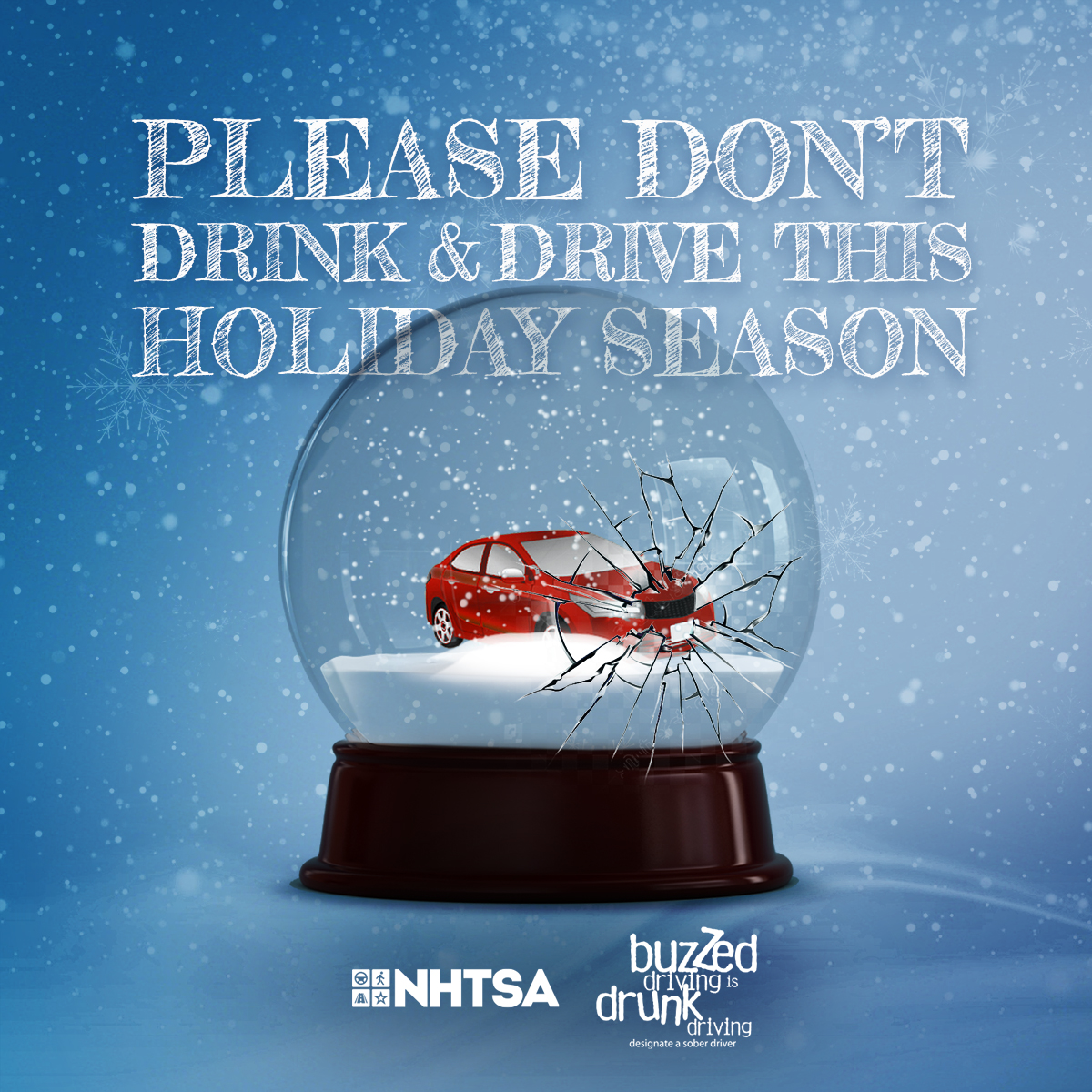

 Click It or Ticket is a high visibility
enforcement program designed to raise safety belt usage and
save people from death and serious injury on the streets
and highways.
Click It or Ticket is a high visibility
enforcement program designed to raise safety belt usage and
save people from death and serious injury on the streets
and highways.