Drive Sober or Get Pulled Over (DSOGPO) Holiday Campaign — December 14, 2022 – January 1, 2023
Virginia DMV will be participating in National Highway Traffic Safety Administration's (NHTSA) upcoming Drive Sober or Get Pulled Over (DSOGPO) holiday campaign December 14, 2022 to January 1, 2023.
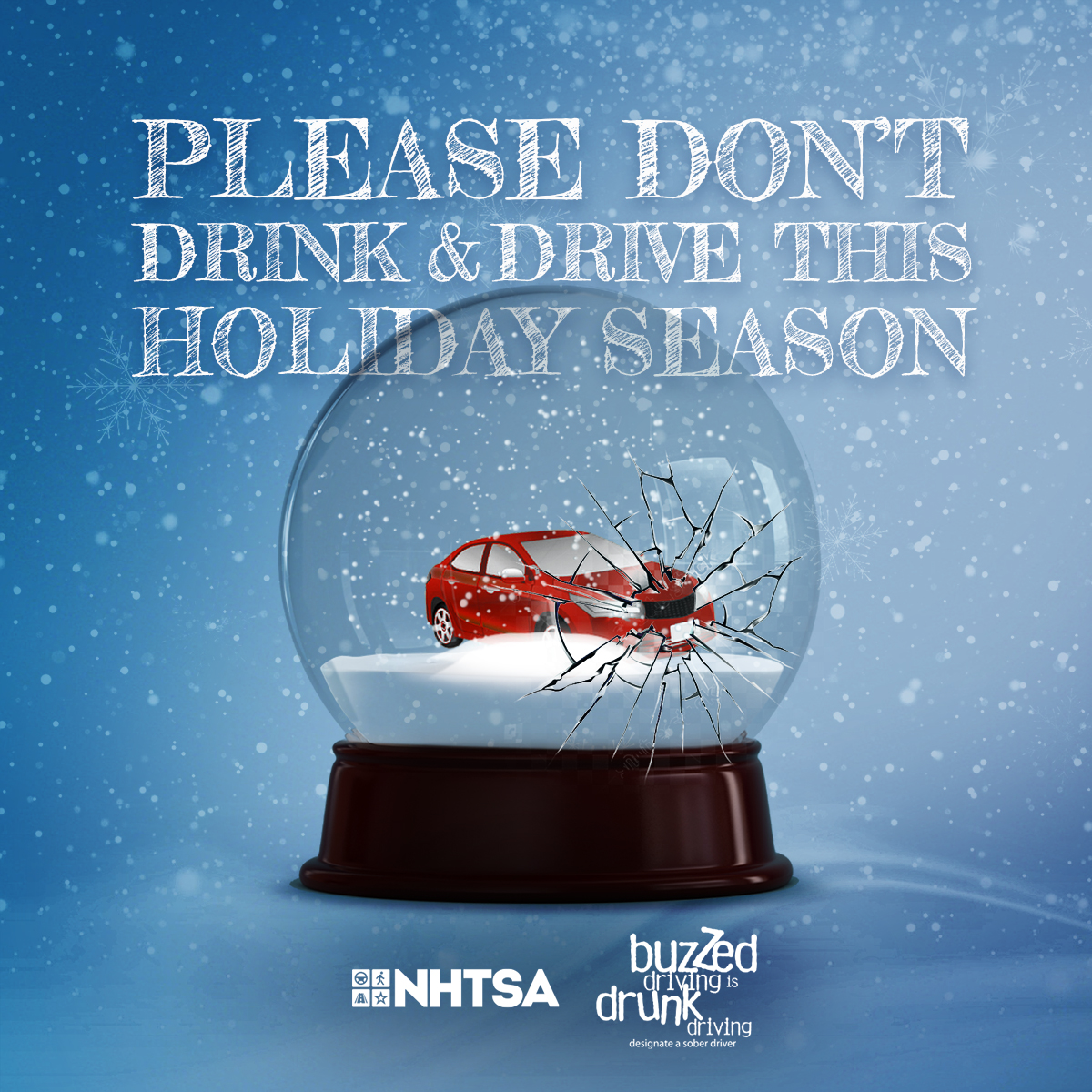
The holiday season is known for being merry and bright, but it is also the deadliest season when it comes to drunk driving. Unfortunately, every holiday season, lives are lost due to impaired driving. From December 15, 2021, through January 1, 2022, there were 333 alcohol-related crashes, 217 injuries and seven deaths on Virginia roads.
We encourage our partners to help us get out this important information out to our communities.
Our highway safety partner WRAP has the "Act Like It" campaigns available for your use:
The 2022 Drive Sober Or Get Pulled Over campaign social media assets, including ready-to-post graphics and captions for Facebook and Twitter, are available through the WRAP toolkit: https://socialpresskit.com/2022-actlikeit-va. The campaign message is simple: If you're old enough to drink, act like it. Get a safe ride. WRAP welcomes our highway safety partners to both encourage their partners in the community to do the same as well as tag all posts with #ActLikeItVA.
Please also visit ActLikeIt.org for more information about the campaign.
Additionally, Virginia law enforcement agenciesthat receive transportation safety grant funding are required to participate in the holiday DSOGPO campaign. Grant-funded enforcement agencies must record citation data and enter it into TREDS, for the DSOGPO enforcement dates of December 14, 2022, through January 1, 2023. All data must be entered into TREDS by January 16, 2023. Agencies may use the attached form to help gather the correct information for TREDS. The attached does not need to be returned.
Let's give the ultimate gift this holiday season by doing our part to save lives on Virginia roads.
As always, we appreciate your continued dedication to highway safety and saving lives.
Drive Sober or Get Pulled Over – Aug. 17 – Sept. 5
Law enforcement agencies and highway safety advocates in Virginia and across the U.S. will join together for the national Drive Sober or Get Pulled Over (DSOGPO) campaign from Aug. 17 through Sept. 5, 2022, to prevent drunk driving crashes, injuries and fatalities.
DMV encourages partners to use WRAP's "Act Like It" messages, which tell drivers that if they're old enough to drink alcohol, they should "act like it" by never driving after drinking. The Act Like It social media toolkit has graphics sized for Facebook, Instagram, Twitter and LinkedIn, plus draft posts.
DMV will share WRAP's new materials once they become available after August 17.
The National Highway Traffic Safety Administration promotes impaired driving enforcement and awareness surrounding Labor Day and free, downloadable materials are available through the Traffic Safety Marketing website:
Virginia's law enforcement agencies that receive federal transportation safety grant funding through DMV are required to participate in the Labor Day DSOGPO campaign. Grant-funded enforcement agencies must record citation data on the attached form, and enter it into TREDS, for the DSOGPO enforcement dates of Aug. 17 through Sept. 5, 2022. All totals must be entered into TREDS by Sept. 30, 2022.
Thank you for your dedication to stopping impaired driving and saving lives in our communities.
Decreasing overall traffic deaths in Virginia starts with preventing drunk driving. We want to encourage everyone who plans on drinking to make a plan before the party begins. Not doing something as simple as choosing a sober driver could result in severe injury and even death. So, this August, and every day, remember: there is never an excuse to drink and drive. Drive Sober or Get Pulled Over.
Advice for would-be drunk drivers and all motorists on the roadways:
Always drive sober. Use a designated driver, call a cab or a friend, or use public transportation. Never drive if you are under the influence of alcohol or drugs.
Always buckle up. Seat belts are the most effective traffic safety device for preventing death during a crash, and belts are the best defense against impaired drivers.























.jpg)